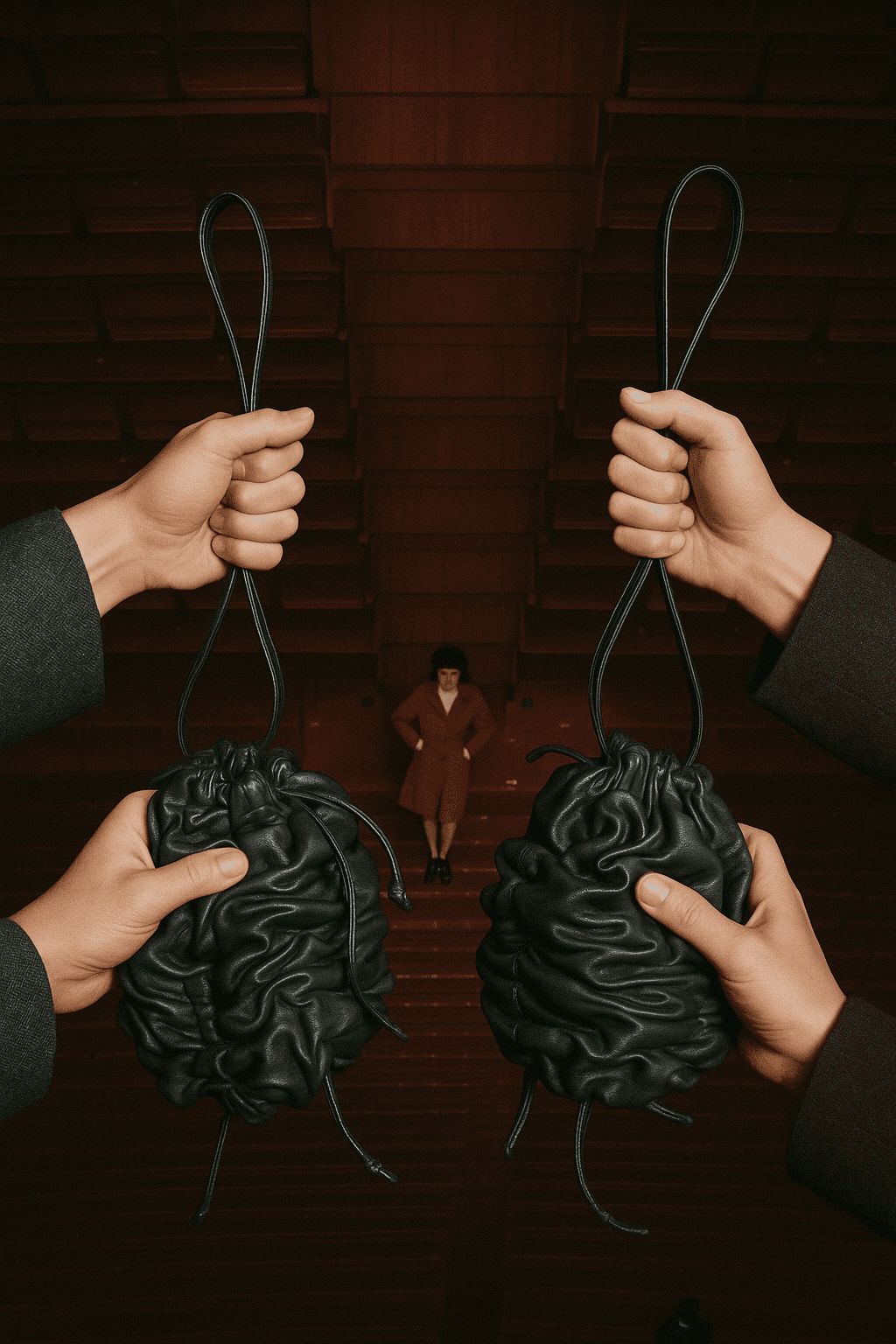
“I am in a relationship with myself.”
“I am in a relationship with myself.”
“I am in a relationship with myself.”
A sentence anyone could say,
yet few take the time to truly feel:
To live with oneself is not to know the self.
This inner bond is a structure —
subtle, shifting, essential.
Relationshape is a generative system,
born from the interior, where emotions take shape,
where silence becomes form.
A sentence anyone could say,
yet few take the time to truly feel:
To live with oneself is not to know the self.
This inner bond is a structure —
subtle, shifting, essential.
Relationshape is a generative system,
born from the interior, where emotions take shape,
where silence becomes form.
A sentence anyone could say,
yet few take the time to truly feel:
To live with oneself is not to know the self.
This inner bond is a structure —
subtle, shifting, essential.
Relationshape is a generative system,
born from the interior, where emotions take shape,
where silence becomes form.

It does not measure, does not judge, does not sort. It asks.
It does not measure, does not judge, does not sort. It asks.
It does not measure,
does not judge,
does not sort.
It asks.
About closeness and distance, about waiting, about too much, about too little.
What stirs when I feel but do not speak?
For whom did I hold back?
For whom did I overflow?
Before I could name love or fear, did my body already know?
About closeness and distance, about waiting, about too much, about too little.
What stirs when I feel but do not speak?
For whom did I hold back?
For whom did I overflow?
Before I could name love or fear, did my body already know?
About closeness and distance, about waiting, about too much, about too little.
What stirs when I feel but do not speak?
For whom did I hold back?
For whom did I overflow?
Before I could name love or fear, did my body already know?
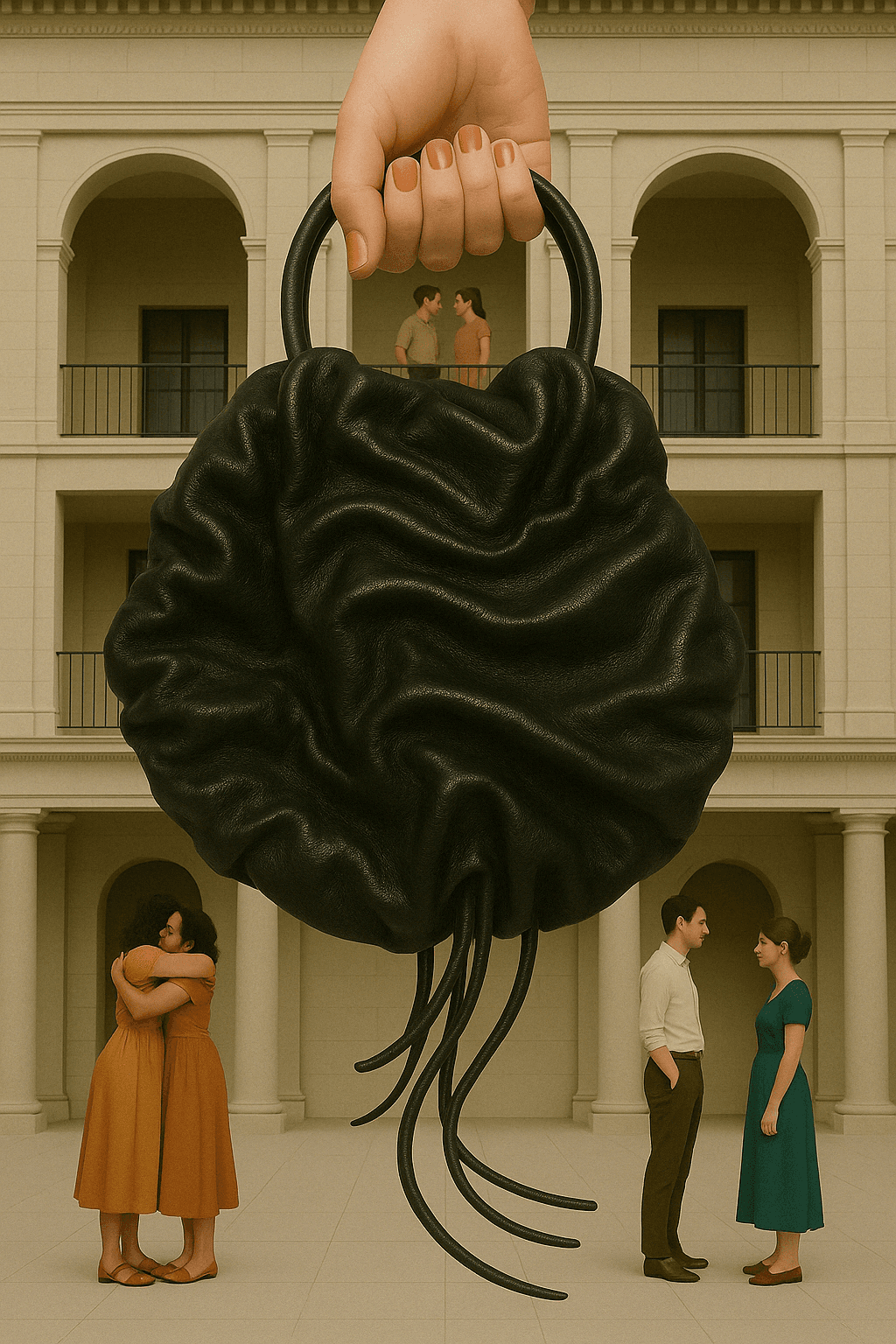
I bent myself to fit, curled inward to delay expression.
I bent myself to fit, curled inward to delay expression.
I bent myself to fit, curled inward to delay expression.
Your replies draw a rhythm.
The system listens to tension and pause, translates them into points, into lines:
vertical, trembling, solitary, intertwined.
Like our invisible movements: desire and resistance, nearness and escape.
These lines form internal maps.
I gather them, fold them, and sew them into bags — wrinkled, coiled, visceral.
Your replies draw a rhythm.
The system listens to tension and pause, translates them into points, into lines:
vertical, trembling, solitary, intertwined.
Like our invisible movements: desire and resistance, nearness and escape.
These lines form internal maps.
I gather them, fold them, and sew them into bags — wrinkled, coiled, visceral.
Your replies draw a rhythm.
The system listens to tension and pause, translates them into points, into lines:
vertical, trembling, solitary, intertwined.
Like our invisible movements: desire and resistance, nearness and escape.
These lines form internal maps.
I gather them, fold them, and sew them into bags — wrinkled, coiled, visceral.
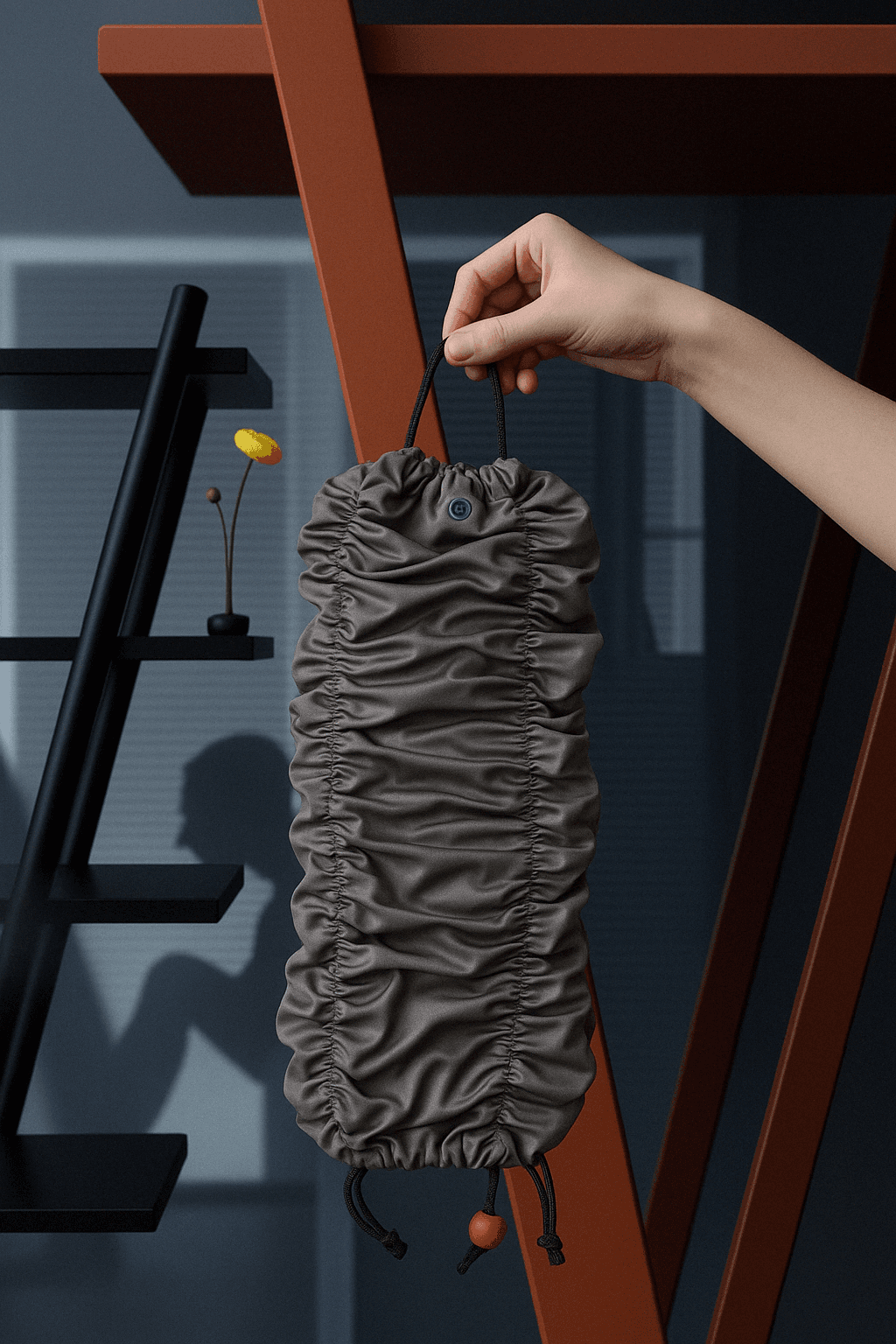
They resemble intestines, sea creatures. Not by metaphor, but by memory.
They resemble intestines, sea creatures. Not by metaphor, but by memory.
They resemble intestines, sea creatures. Not by metaphor, but by memory.
I embrace the image of the “intestine”:
because before our minds learned "I love you", our gut had already felt it.
The gut is a second brain. It senses before thought.
It knows longing and withdrawal.
I turned that knowledge, into a visible form,
a wearable structure, a language the body remembers.
I embrace the image of the “intestine”:
because before our minds learned "I love you", our gut had already felt it.
The gut is a second brain. It senses before thought.
It knows longing and withdrawal.
I turned that knowledge, into a visible form,
a wearable structure, a language the body remembers.
I embrace the image of the “intestine”:
because before our minds learned "I love you", our gut had already felt it.
The gut is a second brain. It senses before thought.
It knows longing and withdrawal.
I turned that knowledge, into a visible form,
a wearable structure, a language the body remembers.
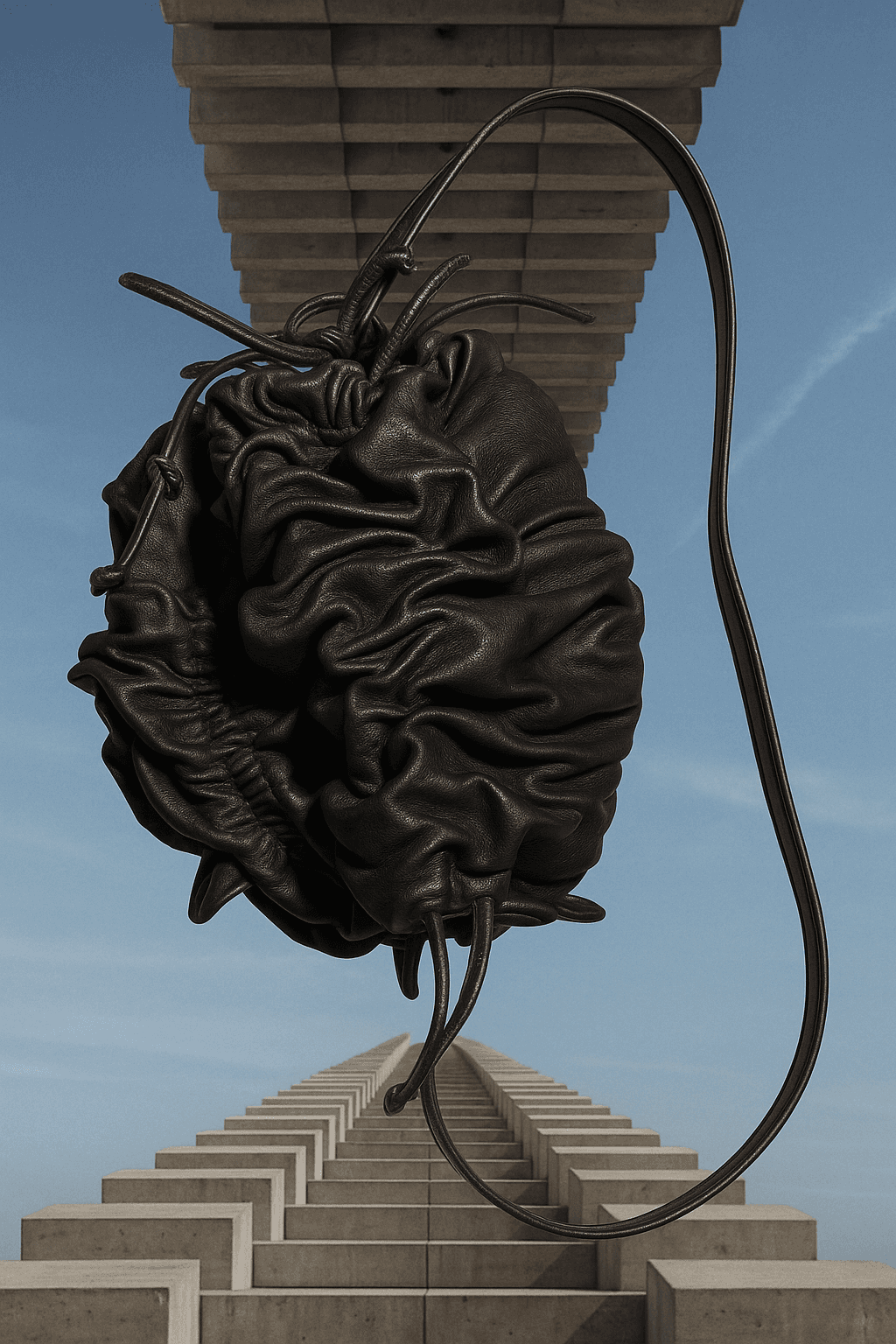
This relationship becomes tangible.
This relationship becomes tangible.
This relationship becomes tangible.
No longer just endured — but seen, held, redefined.
No longer just endured — but seen, held, redefined.
No longer just endured — but seen, held, redefined.
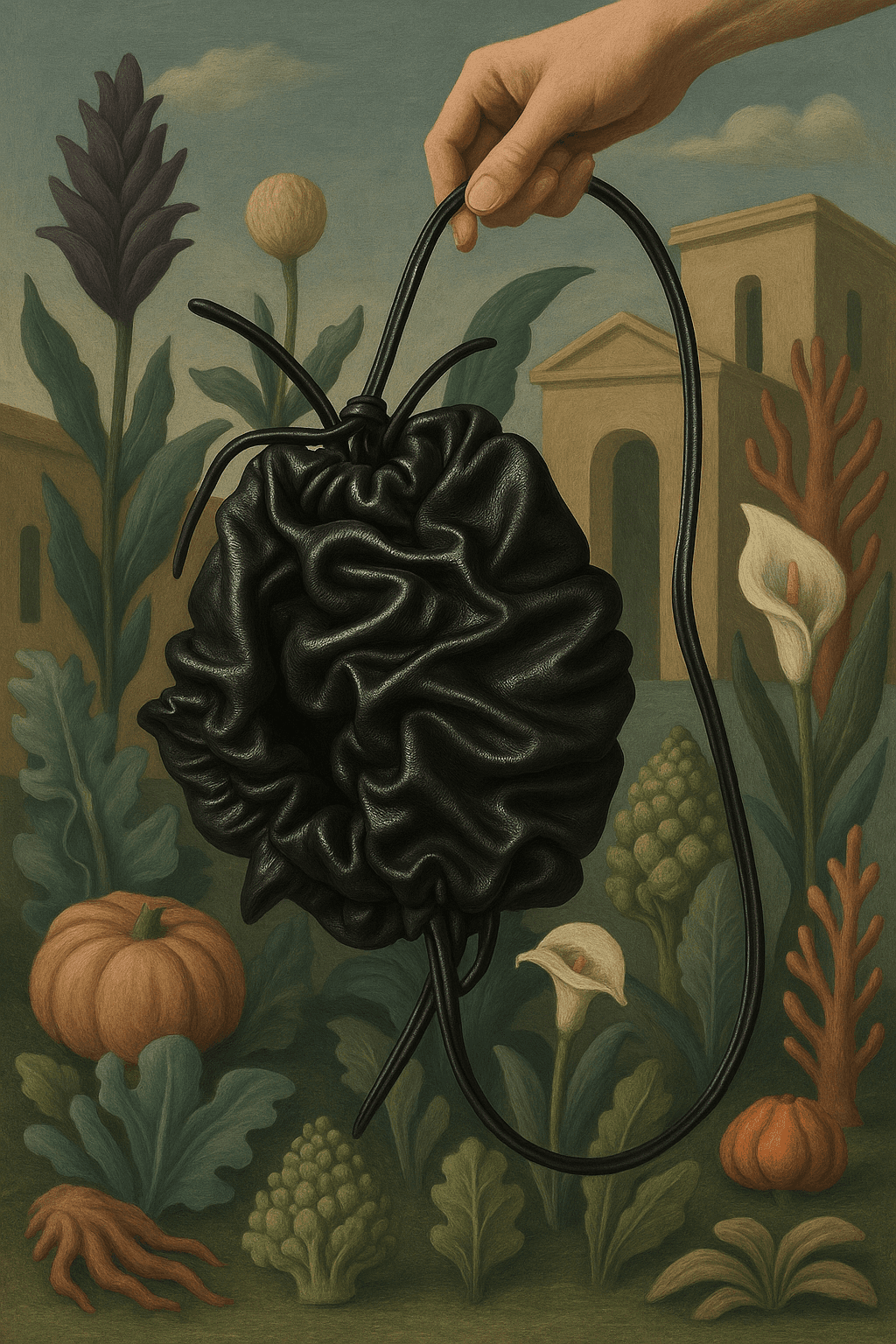
Relationshape is an emotion, a diagram of the self,
a folded space, a tension in motion.
Relationshape is an emotion, a diagram of the self,
a folded space, a tension in motion.
Relationshape is an emotion, a diagram of the self,
a folded space, a tension in motion.
This questionnaire does not measure, judge, or classify.
It does not take your place, nor ask you to be someone else.
It simply raises questions —
about how we come closer,
how we withdraw,
how we wait,
and how we express ourselves.
It is a structural dialogue with the self,
a way to look at yourself from another angle.
Each answer is the beginning of a line,
a motion once felt, then gone,
silent, yet it leaves a trace.
These traces slowly meet,
some overlapping, some standing alone,
like paths you’ve walked, but never spoken.
In the end, you will see a shape.
It’s not a conclusion,
but a contour unfolding in the now.
This relationship with yourself has taken form.
This questionnaire does not measure, judge, or classify.
It does not take your place, nor ask you to be someone else.
It simply raises questions —
about how we come closer,
how we withdraw,
how we wait,
and how we express ourselves.
It is a structural dialogue with the self,
a way to look at yourself from another angle.
Each answer is the beginning of a line,
a motion once felt, then gone,
silent, yet it leaves a trace.
These traces slowly meet,
some overlapping, some standing alone,
like paths you’ve walked, but never spoken.
In the end, you will see a shape.
It’s not a conclusion,
but a contour unfolding in the now.
This relationship with yourself has taken form.
This questionnaire does not measure, judge, or classify.
It does not take your place, nor ask you to be someone else.
It simply raises questions —
about how we come closer,
how we withdraw,
how we wait,
and how we express ourselves.
It is a structural dialogue with the self,
a way to look at yourself from another angle.
Each answer is the beginning of a line,
a motion once felt, then gone,
silent, yet it leaves a trace.
These traces slowly meet,
some overlapping, some standing alone,
like paths you’ve walked, but never spoken.
In the end, you will see a shape.
It’s not a conclusion,
but a contour unfolding in the now.
This relationship with yourself has taken form.
A relationship is not the answer, but the shape a question leaves behind.
A relationship is not the answer, but the shape a question leaves behind.
A relationship is not the answer, but the shape a question leaves behind.
